The Next Web |
- Geeksphone Revolution dual-boot Android and Firefox OS smartphone now on sale for €222
- Looking for offline podcasts? Stitcher for Android just got a whole lot better.
- Jolla’s Sailfish OS and smartphones are commercially ready and heading into new markets
- After missing out on WhatsApp, what does Google do next?
- Language-learning platform Duolingo wants to be a game, which suits its next target: Asia
- Opera’s Sponsored Web Pass lets brands give you free mobile Internet for watching their ad
- Amazon Instant Video and Prime Instant Video moves beyond the US and into the UK and Germany
- You can now explore the Taj Mahal and other Indian monuments through Google Street View
- YouTube begins rolling out a new, cleaner user interface as it makes finding playlists easier
- 5 common mistakes to avoid in mobile commerce
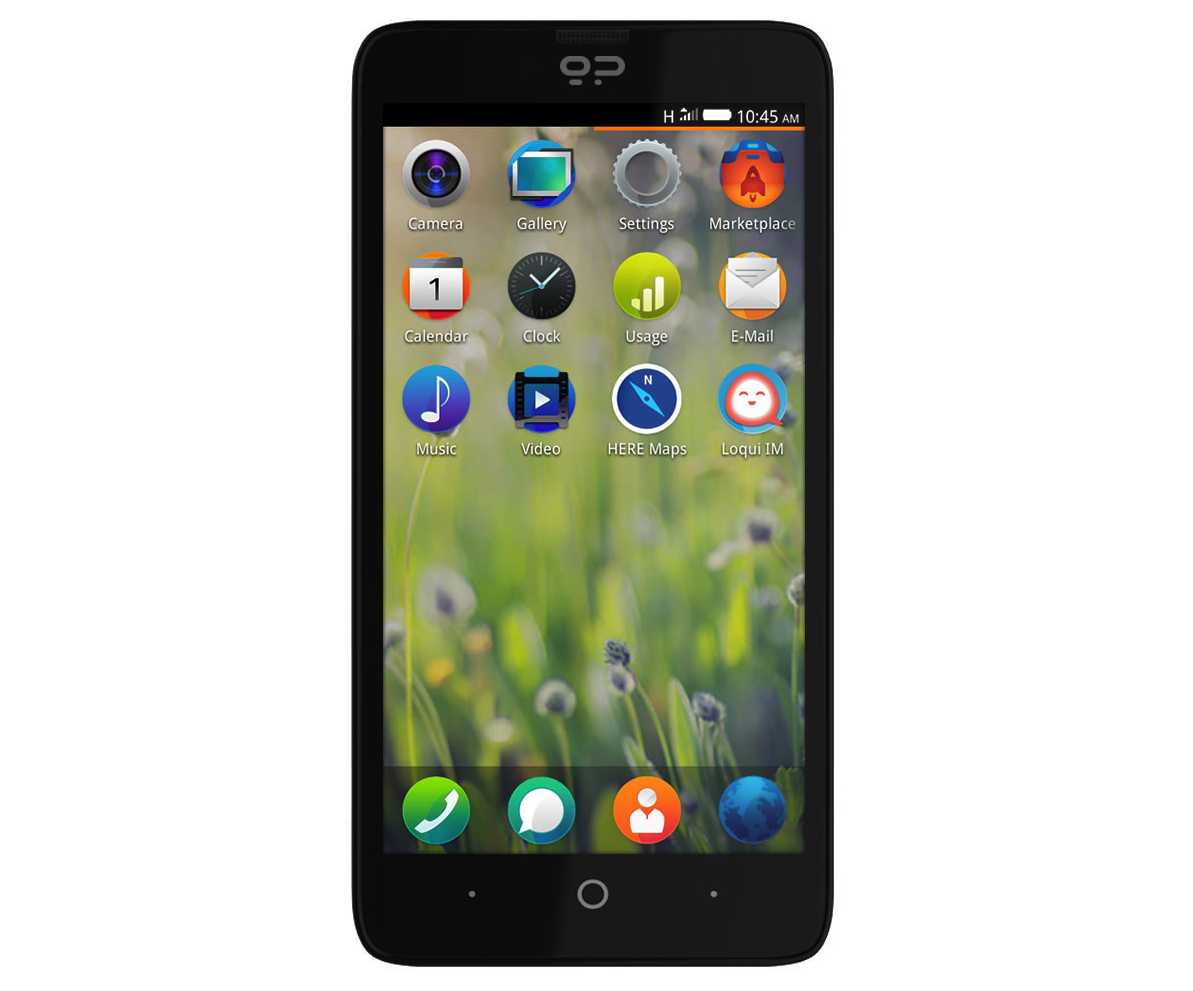
| Geeksphone Revolution dual-boot Android and Firefox OS smartphone now on sale for €222 Posted: 21 Feb 2014 03:21 AM PST  If you've ever wanted a smartphone that could run both Android and Firefox OS, you're in luck. Geeksphone is now accepting orders for the Revolution, the first commercial handset to do just that. Geeksphone is a Spanish startup best known for the Keon and Peak, a pair of low-end, developer-focused Firefox OS smartphones that launched ahead of commercial handsets by ZTE and Alcatel. The Revolution replaces the Peak+, another Firefox OS handset that Geeksphone was building, with a 4.7-inch IPS qHD display, a dual-core 1.6GHz Intel Atom processor, 1GB of RAM and 4GB of onboard storage, backed up by a microSD card slot for up to 32GB of extra space.
The device is powered by a 2,000 mAh battery and boasts an 8-megapixel rear-facing camera, alongside a 1.3-megapixel variant on the front. It's available on the Geeksphone site for €222.31 and worldwide shipping is available. It's unclear whether there's a market for a dual-OS smartphone running both Android and Firefox OS. The Revolution is a unique device though and should appeal to developers, modders and gadget fans who are keen to try Mozilla's mobile OS on a slightly more powerful handset. Read Next: Meet the bold 20-year-old behind Spanish Firefox OS smartphone maker Geeksphone [Video] / Blackphone: A new privacy-focused smartphone from Silent Circle and Geeksphone ➤ Geeksphone Revolution (Via GSM Arena) This posting includes an audio/video/photo media file: Download Now |
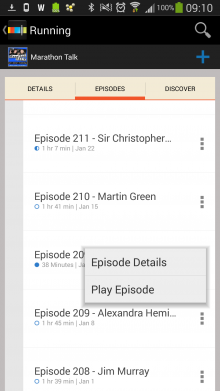
| Looking for offline podcasts? Stitcher for Android just got a whole lot better. Posted: 21 Feb 2014 02:15 AM PST  We've previously noted that Stitcher Radio is one of 8 great apps for listening to podcasts on the move, letting you tap-in to your favorite online radio shows on demand, encompassing tens of thousands of live stations. And with its latest update for Android, you'll now be able to download and make any podcast available for offline listening. While Stitcher for Android already had an offline mode, it only applied to newer episodes – there was no way of going back through the archives of your favorite podcasts and pushing them offline. As you can see from the 'before and after' shots below, the options for each episode have changed from 'Episode Details' to 'Add to Listen Later'.
Now, unless a station has specifically implemented limitations on how far you can browse its archives, you can go all the way back in time and add anything to an offline playlist. Once you've added your desired tracks, head to the main menu and open the 'Listen Later' folder, which you'll have to push to offline mode, and your podcasts will start download. Of course, it goes without saying you'll need to ensure you have adequate space on your device – so don't go too crazy with the 'Listen Later' function.
This is a big move for Stitcher, as it makes it infinitely more appealing to commuters, travelers or anyone who needs offline access to their podcasts. While the iOS incarnation does have offline mode too, it only lets you browse back a small number of podcasts, not the entire archives. This posting includes an audio/video/photo media file: Download Now |
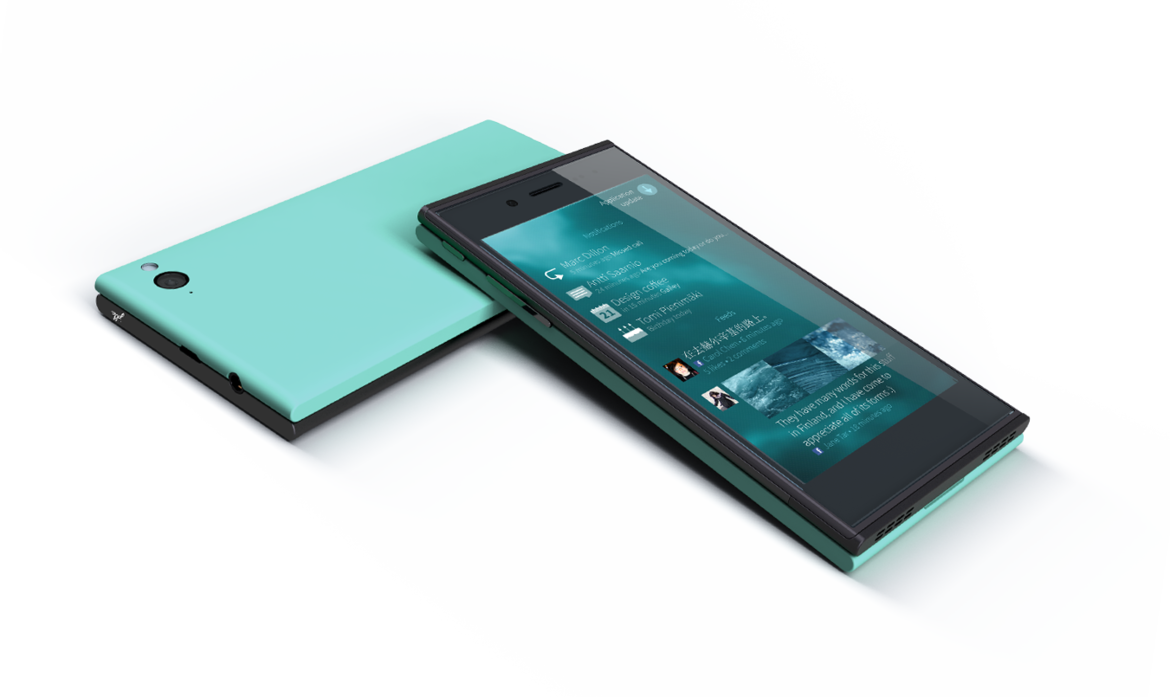
| Jolla’s Sailfish OS and smartphones are commercially ready and heading into new markets Posted: 21 Feb 2014 01:16 AM PST  Finnish startup Jolla, which launched its first smartphone with a new Sailfish mobile operating system last year, announced today that its OS is now ready for global distribution after reaching release 1.0. Sailfish will also soon be available for download on Android devices. The first batch of Jolla phones landed in Europe with Finnish mobile network operator DNA in late November last year. Availability has been limited, with all devices running a beta version of Sailfish. Since then, Jolla has released three significant software updates. A fourth one is due in early March, after which Sailfish OS will make its way worldwide. With the software ironed out for commercial release, Jolla smartphones will also start going on sale in more places. The company says it is now "rapidly entering into new markets and is negotiating with partners in several countries" — which include Russia, India and Hong Kong. Online sales will open in these three countries "in the near future," Jolla says. Currently, Jolla smartphones are only available for online orders in parts of Europe.
In September last year, Jolla revealed that its Sailfish OS would be compatible with the Android ecosystem in terms of apps, as well as hardware. Today Jolla announced that Sailfish OS will be made available as downloadable software to selected devices running Android OS — with the Sailfish community having ported the OS into major versions of Samsung's Galaxy smartphone, Google Nexus and Sony Xperia. The Sailfish community is also in the midst of porting for popular Chinese smartphone maker Xiaomi's products. Jolla will release the downloadable Sailfish OS software in phases during the first half of this year. First, it will release a UI launcher Android app for users to start experiencing the Sailfish user interface in their existing devices running Android OS. The app will be available for download in the "near future." Some time later, the full Sailfish OS will be made available for Android devices. Jolla believes that Sailfish's compatibility with the Android ecosystem is not an irony for an operating system that is meant to be an alternative to the current status quo — instead it is tapping on existing products to make it easier for vendors to switch over. Antti Saarnio, chairman of Jolla's board, says:
The company also notes that the "availability and interoperability of Android apps in Sailfish OS has increased greatly since the sales start." Marc Dillon, the co-founder and chief operating officer of Jolla, says that customers are now able to install their preferred Android app stores to gain access to Android apps. Amid earlier concerns that Android compatibility could make developers less inclined to go native, Dillon notes that the Sailfish OS community has "already developed major social media applications, such as Facebook, Twitter, Whatsapp, and Foursquare, natively to the Sailfish OS." To scale up its handset business, Jolla has also formed a few new partnerships — namely with Angry Birds developer Rovio, F-Secure and Tieto Corporation. With F-Secure in particular, Jolla customers will receive an undisclosed amount of free cloud storage integrated with their devices. Jolla was founded by a group of ex-Nokia employees who strongly believed that MeeGo deserved a second chance. Subsequently, it released its first smartphone with a new take on the forgotten platform, called Sailfish OS. This posting includes an audio/video/photo media file: Download Now |
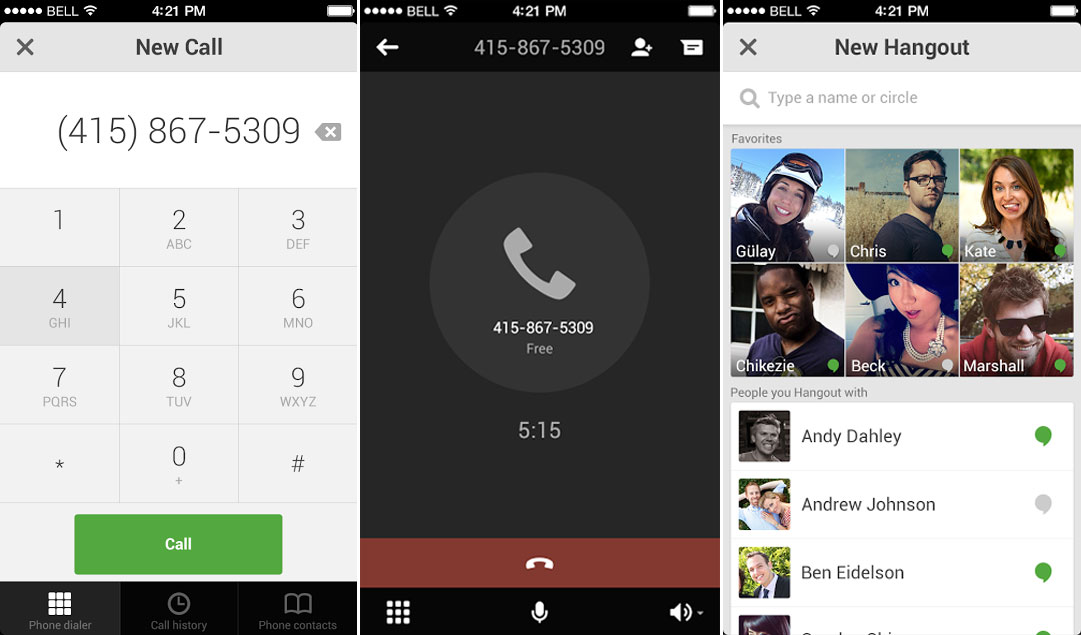
| After missing out on WhatsApp, what does Google do next? Posted: 21 Feb 2014 12:46 AM PST  It is becoming increasingly apparent that Google tried unsuccessfully to buy messaging app WhatsApp before Facebook struck a $19 billion deal. Fortune initially reported that the company had made a $10 billion offer, but a later report from The Information cites sources claiming that Google offered to exceed Facebook's offer, but to no avail. WhatsApp is attractive to both tech giants because it offers something that neither currently posses: a mobile-only service with significant traction across the world. With over 450 million active users each month, WhatsApp is also more popular than Facebook and other social networks in countries. Google has a strong presence on mobile, thanks to bundled service on Android, Google Now, and Hangouts — an app that pairs its Talk service with the video-chat feature from Google+ — yet still it made a play for WhatsApp.
As people spend more time on mobile, the Internet's biggest players are seeking ways to maintain their dominant positions. Given that messaging has emerged as the killer app for mobile, it is little wonder that they want to own a slice of the pie too. Google search and services rule on the desktop, but mobile is a different game and the company needs ways to the billions who are starting to come online from mobile devices for the first time. So, what are Google's options now? Another acquisitionThe biggest problem for Google right now is that it has no alternative acquisition after missing out on WhatsApp. No service or application comes close to the app's user base, both in terms of the sheer number of registrations and its broad spread across Asia, Europe, Africa and Latin America. As we wrote when assessing the competition yesterday, another billion dollar messaging deal is unlikely for some time. That said, one possible strategic fit for Google may be Kik, the Canada-based messaging app that has flown under Silicon Valley's radar in a similar way to WhatsApp. Kik, which has 100 million registered users and is bigger than Snapchat in the US, offers an app that combines the stickiness of messaging with an in-built browser for Web-based content and service, but it doesn't have the same global reach of WhatsApp. Super-charge HangoutsGoogle has already relaxed Android settings to enable users to replace the central SMS system with Hangouts, but it could super-charge Hangouts with more new features. Perhaps Google may consider a Kik-like browser, tighter synergies between its mobile apps and Hangouts, or the addition of games, stickers and other services that are proving popular in Asia with the likes of Line and WeChat.
Beyond features, relationships with operators are a key way to gain distribution worldwide. As WhatsApp did, Google could cut deals with operators to offer all-you-can-eat Hangouts data messaging. The limitation here is that Hangouts is only available for iOS and Android devices. While those two platforms represent most of the market in the West, mobile adoption is still growing at a slower pace in the emerging world — platforms like BlackBerry and Nokia's now-defunct Symbian platform remain popular in parts of Asia, Africa and Latin America. The Hangouts user experience is basic enough, so starting a new 'WhatsApp-inspired' app from scratch doesn't make sense, even for a company with the high-profile consumer brand and industry connections of Google. NothingThe final alternative, of course, is that Google does nothing. That could be a viable strategy if WhatsApp was a one-off deal that it was eager to claim ahead of Facebook, rather than a move that realized a long-standing ambition of buying a messaging app. As we explained, WhatsApp's position in a fragmented world of chat apps is unique, and Google's keenness may well have been motivated by a desire to keep it away from Facebook. Unlike Google, Facebook is relatively marooned on mobile: it has no hardware to cling on to, and its biggest home-made mobile push — its Home Android launcher — has been a flop. Google is actually already benefiting from the growth in mobile messaging, albeit as a relative spectator. Chat app platforms — like Line, Kakao Talk and WeChat — are making hundreds of millions of dollars from connected games and virtual products, a vast proportion of which are on Android devices in Asia — giving Google a tidy cut of app store sales. The trend has the potential to break into other markets, as the ambitious Asian messaging firms plot global expansions. We reached out to Google for comment but, as you might expect, the company declined to provide any details on its plans for mobile messaging. Image via Sean Gallup/Getty Images, LIONEL BONAVENTURE/AFP/Getty Images This posting includes an audio/video/photo media file: Download Now |
| Language-learning platform Duolingo wants to be a game, which suits its next target: Asia Posted: 21 Feb 2014 12:06 AM PST  Many people think that free language learning platform competes against other educational language services, Many people might assume free language learning platform Duolingo competes with other educational services, but the company that its co-founder names as a key competitor may surprise you. It's Candy Crush. Duolingo co-founder Luis von Ahn tells TNW in an interview that the company views games as its competitors, simply because they occupy time that users spend on mobile.
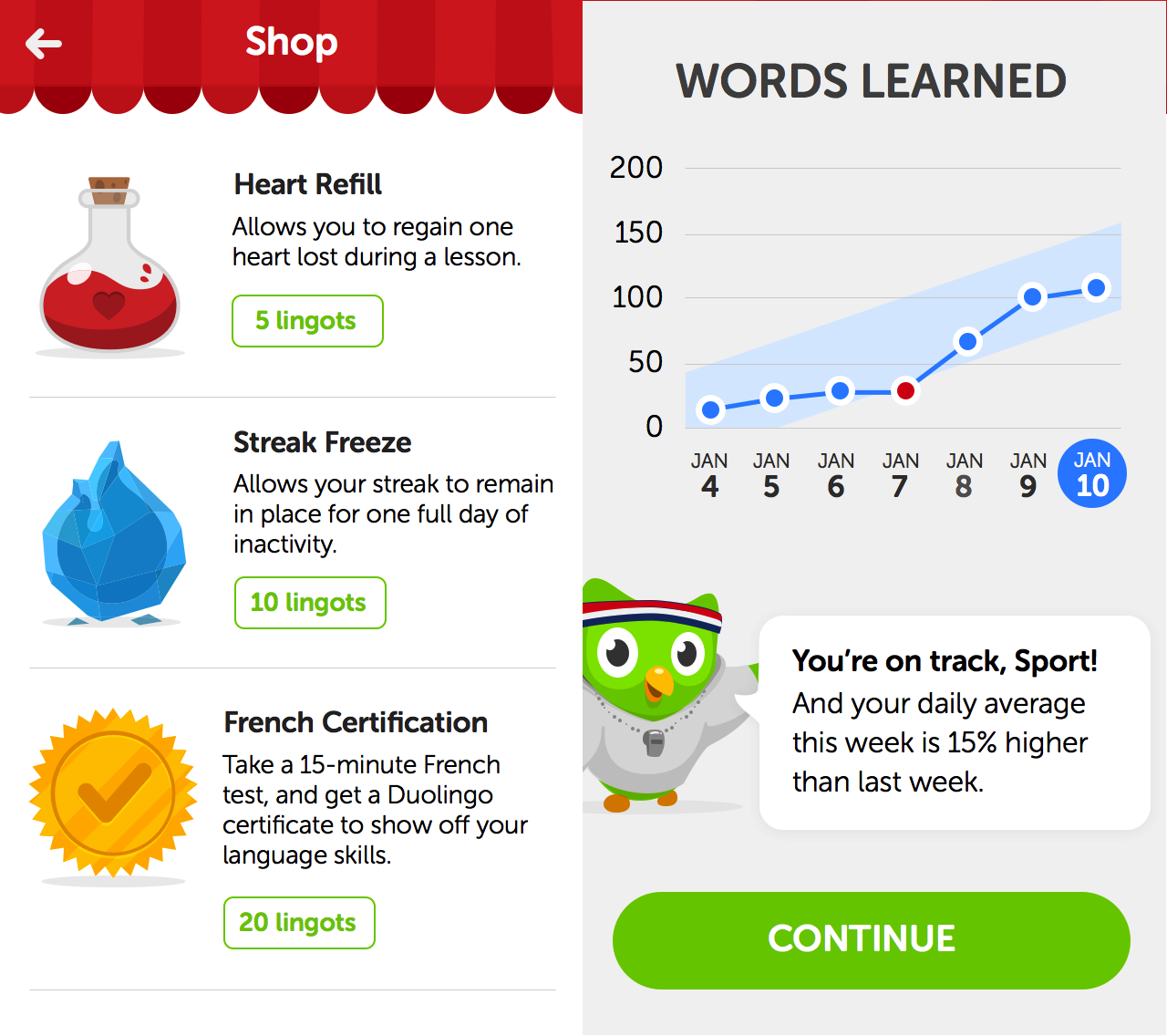
This also explains why late last year, Duolingo updated its iOS app to introduce a gamified virtual store. The store lets users purchase virtual items to customize their experience with a virtual currency called "Lingots," which users can earn by achieving certain milestones in Duolingo. Von Ahn tells us that this gaming element was to make Duolingo more of a fun thing.
The way that Duolingo is going about gamifying language-learning will no doubt be a boost for the next region it intends to target: Asia. After all, mobile games in Asia — in particular China — are hugely popular. A recent report released by state-affiliated research organization China Internet Network Information Center (CNNIC) showed a 54.5 percent growth in the number of users playing mobile games to reach 215 million as of end-2013, up 75.9 million from the end of 2012. Even messaging apps in Asia have taken to adding games to their platforms to hook in users. Duolingo's positioning as a fun app with the addition of gaming elements, beyond its core use of learning new languages, will no doubt be a boost for its standing in Asia. Furthermore, a recent funding round raised by Duolingo will also aid its move into the region. The company closed a $20 million round led by venture capital firm Kleiner Perkins Caufield & Byers earlier this week. Von Ahn says:
Right now, the regions where Duolingo sees its highest traffic are the Americas and Europe. A quarter of its traffic comes from the US, while Brazil takes second spot with 15 percent of the traffic, and the third is Mexico. To move into Asia, von Ahn tells us that the first step is to simply offer the product first — which means courses that let students learn English from Asian languages including Chinese, Japanese and Korean. He says that these courses will be up in the "next few months" with Japanese ready in about a month. The courses are being created by the Duolingo community. This stems from a crowdsourcing program the company announced in October last year – called the Language Incubator, which lets native speakers and language enthusiasts create courses that an algorithm will subsequently ensure are in line with Duolingo's standards.
Von Ahn notes that these course creators don't tend to be from Asia, given the small number of users Duolingo currently counts from the continent, but are more likely US citizens who were originally from Asia. Von Ahn admits that Duolingo is considering its first ever marketing campaign once the course land on the service, but the company will see how things go first:
Other than its Asia plans, Von Ahn reveals that Duolingo is also planning to beef up its current platform with two major features: certification and group learning. Duolingo is going to start certifying that their users have successfully mastered a language, which can then be submitted to employers or universities. Von Ahn notes that Duolingo has received a lot of requests for this, especially in emerging markets, as current tests tend to be expensive and people need to make an appointment in advance and travel down to testing centers to take them. "We're going to have a test as well, but it's a test that you can take from your phone or on the Web, so you can take it at home, you can take it anytime — and it's going to cost $20, not $250," Von Ahn says, referring to the fact that the TOEFL test can cost up to $250 — which "may be a month's salary" for some people in emerging markets. "We think we can do a good job with certification… we think it's quite unfair that these tests are so expensive because it costs like $10 to administer a test, it does not cost $200," Von Ahn tells us. To push general acceptance of its certification, Duolingo has come up with a study that shows people who take its tests have scores that are highly correlated with scores of the other tests. Von Ahn says that once enough people start taking the test, because it's more convenient and cheaper, he hopes that they will start pressuring employers and universities to accept the Duolingo certificates. On top of that, Duolingo is launching these tests and in turn, certifications, with a few launch partners. The certification feature will come some time later this year, but what will arrive first on Duolingo is a groups feature, according to Von Ahn.
Right now on Duolingo, people essentially learn individually. However, there have been many requests, especially from teachers, who want an easy way to keep track of all their students in a classroom. Duolingo estimates that there are tens of thousands of school-going children using its platform. "So we're going to have a groups feature, where the idea is that anyone can make a group of learners, and the leader of the group can always see the progress of everybody else, so you can think of it as like a teacher. But it doesn't have to be a classroom, it can be any type of group," Von Ahn says. Groups will have a leaderboard and a message board, with the idea to get them to learn together competitively. It will land on Duolingo "relatively soon." With these new value-added features, as well as the gaming element, Duolingo looks set to appeal to a wide swathe of users in Asia who are keen to learn English. However, whether it can stand out amidst the competition — after all, there are already online learning platforms that users in Asia rely on, and Duolingo has to appeal enough for them to switch. The fact that it's a free app though, will no doubt be a boon for it too. Headline image via Shutterstock, other image via Leo Ramirez/AFP/Getty Images This posting includes an audio/video/photo media file: Download Now |
| Opera’s Sponsored Web Pass lets brands give you free mobile Internet for watching their ad Posted: 20 Feb 2014 11:51 PM PST  Browser-maker Opera is shaking up the mobile advertising market just a little, after it introduced Sponsored Web Pass, a new version of its pay-as-you-go Web Pass service that effectively gives phone owners free mobile Internet in exchange for watching sponsored messages. The Norwegian company, which counts 350 million users worldwide, explains that advertisers work with operators to select from a range of free offers for would-be viewers, such as one day of free mobile Internet access, or an hour of Twitter. The offers can only be redeemed inside Opera's browser, so this doesn't mean unfettered access to apps and other services. Once the advertiser has set the reward in partnership with an operator, users simply show up with their eyeballs and, after the ad finished, enjoy their freebie.
When the free package has run its course, users are offered the chance to pay up for more permanent Internet access, or, if they like freebies, they can seek out another advertising promotion instead. Opera compares the system to "the way an ad from a sponsor airs before the start of a TV program," and it's easy to see how it would be popular among pay-as-you-go users, and particularly those in emerging markets where Opera is strongest. The service is available for brands and operators now, though there's no word on where (and when) it will roll out to users. This posting includes an audio/video/photo media file: Download Now |
| Amazon Instant Video and Prime Instant Video moves beyond the US and into the UK and Germany Posted: 20 Feb 2014 10:56 PM PST  Amazon has announced that it's bringing its Amazon Instant Video and Prime Instant Video services to the UK and Germany, its first markets outside of the US. This is a big move from the media and e-commerce giant, as it means the existing Amazon-owned LoveFilm brand will be changing too. As things stand there are two strands to LoveFilm – the on-demand LoveFilm Instant service, and the DVD/Blu-ray rental service. While the LoveFilm branding will remain for the physical-format arm, LoveFilm Instant will now be merged into the soon-to-launch Prime Instant Video. If you're new to how the Prime Instant Video service works, here's a quick recap. Amazon, in its Prime
Amazon Prime, Amazon's subscription-based 2-day delivery service, bundles in the free Prime Instant Video services to US subscribers for free. It serves up a LoveFilm-esque on-demand service covering movies and TV shows, which can be streamed through apps on the Web, Kindle Fire, iOS, gaming consoles and more. Additionally, it also gives access to the Kindle Lending Library, letting users borrow one book per month for their Kindle, with no due date. Thus far, Amazon Prime subscribers in the UK and Germany received a 1-day shipping service and access to the Kindle Lending Library. But now this will include unlimited streaming for movies and TV shows too. Of course, this also means that Amazon Prime is being given a price hike, from £49/€29 in the UK/Germany, to £79/€49. If you're already a LoveFilm Instant subscriber, you'll currently be paying around £72/€84 a year, so this will represent a small rise in price – but you'll be getting the broader Amazon Prime service too, which you'll have to sign-up for to gain access to Prime Instant Video. If you're already an Amazon Prime subscriber, you'll automatically gain access to Prime Instant Video, regardless of whether you want it or not. You won't have to pay any more until your renewal date is up, at which point you'll have to cough up and pay the higher rate. It doesn't take a maths whizz to figure out that if you're already an Amazon Prime AND LoveFilm subscriber, then this will save you a fair bit of money each year. If you're not a dual-subscriber, well, it will cost you more. If you sign-up to Amazon Prime during the countdown period which kicks off today, you'll be able to lock things in at the current price for the next twelve months. In addition to this, Amazon is also introducing its Amazon Instant Video service to the UK and Germany – which is a pay-as-you-go service for individual titles, similar to Tesco's Blinkbox, meaning you can rent movies or download them to keep. Typically, this service serves up a much better range of movies and TV shows, including newer releases. It's basically just like a Blockbuster video-rental store – but on-demand. Amazon Instant Video too was only available in the US before now, and it's worth noting here that this is a completely separate service to Prime Instant Video. It's not tied into an Amazon Prime subscription. Okay, so that's the basics of this announcement explained – you'll be wondering what exactly you'll be getting, how will it work and what are the key dates? Read on. The need-to-knowsThough you can sign-up for Amazon Prime now, the LoveFilm/Prime Instant Video switchover won't take place until February 26. At this point, you'll still be able to access more or less the same LoveFilm content, but the service will be hosted on Amazon's platform instead. Also, you won't have to download or update any new apps or anything, the new branding will be gradually rolled out to the existing apps and platforms shortly after. Also, you may have noticed that LoveFilm has been inviting you to switch your log-in details over to an Amazon account for a while already – this will no longer be optional. You will have to set yourself up with an Amazon account and use that to log in with. Content's king: Original programming John Goodman: Alpha House In addition to the content that's already available through LoveFilm, Amazon tells us that it's ramping up its investment in exclusive (streaming) content for Prime subscribers, and includes the likes of The Hangover Part II, The Girl with the Dragon Tattoo, The Walking Dead, and Vikings Season 2. But it's with original-programming that Amazon could really start to shine in the long term. As with Netflix, which has become as much of a producer as it is a streaming service, Amazon Studios has been working to bring its own content to market too. Amazon Studios uses audience feedback to develop original entertainment and, since the division's launch in November 2010, thousands of movie scripts and series pilots have been submitted. And we've started seeing the fruits of this labor in recent times. Alpha House, a comedy starring John Goodman about four misfit US senators who rent a house together in Washington DC, aired in the US on Prime Instant Video on November 15, while Betas, a show about four friends who want to launch a new mobile social networking app in Silicon Valley, followed a week later on November 22. These will both be made available to Prime subscribers in the UK and Germany, as will a handful of original children's series later in the year. Longer term, this should really help Amazon to build a more compelling proposition in the UK and Germany, with more pilots being added to the mix to garner feedback. What's to comeThe seed of LoveFilm dates back to 2002, but via a series of rebrands, mergers and acquisitions the company we now know as LoveFilm started to properly take shape in 2006, though it was still predominately a DVD-rental service then. A big development for the company came in 2008 when LoveFilm bought Amazon's DVD rental business in the UK and Germany – in return, Amazon acquired a 32% stake in the company. Amazon then bought LoveFilm outright in 2011. LoveFilm, along with Netflix which launched in the UK in early 2012, are battling it out not only with each other, but with the likes of BSkyB, Tesco's Blinkbox and even catch-up services such as iPlayer. It's a very competitive market, but with the full weight of Amazon behind it, from a branding and product perspective, LoveFilm will stand a much better chance of succeeding in the long haul. But there are still some holes in its arsenal. For example, while LoveFilm Instant only launched a streaming app for iPhone-users a few months back, Android users are still waiting. This is the case for Prime Instant Video and Amazon Instant Video in the US too. We caught up with Tim Leslie, Vice President of Amazon Instant Video for the UK and Germany, ahead of today's announcement, and he confirmed that an Android incarnation is in the works and should be out some time in the not-too-distant future. But he was also quick to point out that LoveFilm and Prime Instant Video are on many other platforms. "We've worked hard to offer the best selection of TV shows and movies for Prime Instant Video — in fact, we've more than tripled selection since LoveFilm became part of the Amazon family," he said. "We also added high definition video and introduced apps for devices like Xbox One, PlayStation 4, Samsung and Sony TVs and iPads and iPhones." From February 26, Amazon will be pushing hard into your living rooms and portable entertainment devices. The battle for your streaming pounds and euros is about to get a lot more interesting. This posting includes an audio/video/photo media file: Download Now |
| You can now explore the Taj Mahal and other Indian monuments through Google Street View Posted: 20 Feb 2014 06:32 PM PST  You can now immerse yourself in the magnificence of India's iconic Taj Mahal and 29 other monuments from the country, simply by making your way through Street View on Google Maps. India's Taj Mahal is a much-admired heritage site globally, and is included as one of the new seven wonders of the world. For those who can't make it to India, Google has brought the Taj Mahal to you.
After announcing in October last year that it was working with the Archaeological Survey of India (ASI) to bring the Street View Trekker to 100 Indian heritage and cultural wonders, Google has now come up with 360-degree panoramic imagery of 30 monuments. You can virtually experience the walled city of Agra Fort, see the soaring tower of Qutb Minar, and admire the red sandstone walls of Red Fort, among others.   This is Google Street View's second foray into India, after it was banned in 2011 from collecting images in the southern Indian city of Bangalore due to privacy concerns — and Internet users will no doubt be glad to finally immerse themselves in the virtual presence of India's majestic monuments. Here's a video bringing you through Google Maps Street View to the Taj Mahal. Headline image via Daniel Berehulak/Getty Images This posting includes an audio/video/photo media file: Download Now |
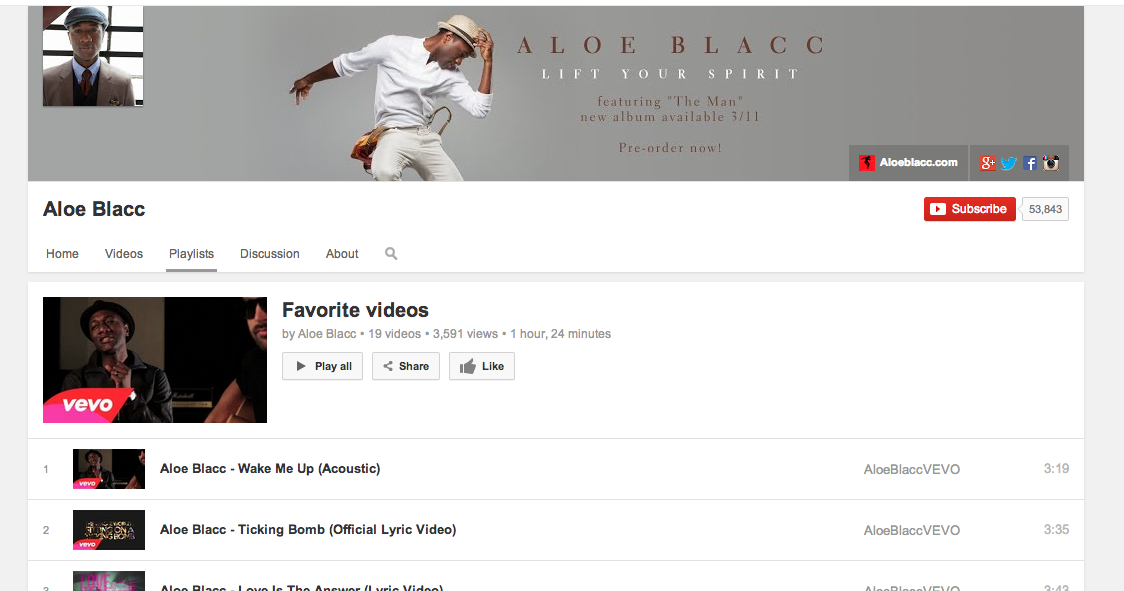
| YouTube begins rolling out a new, cleaner user interface as it makes finding playlists easier Posted: 20 Feb 2014 04:00 PM PST  YouTube is rolling out a set of changes to the video social network that helps you better discover playlists and makes the service more accessible. With playlists, YouTube has streamlined the process, eliminating a step required to view videos in a particular playlist once it's been liked. Before, once users liked the playlist, they had to go to their guide, click on the one they wanted to watch, and it would open up in a new window. Now videos can be played right within the guide screen, whether they're your own curated ones or from channels that you've liked.
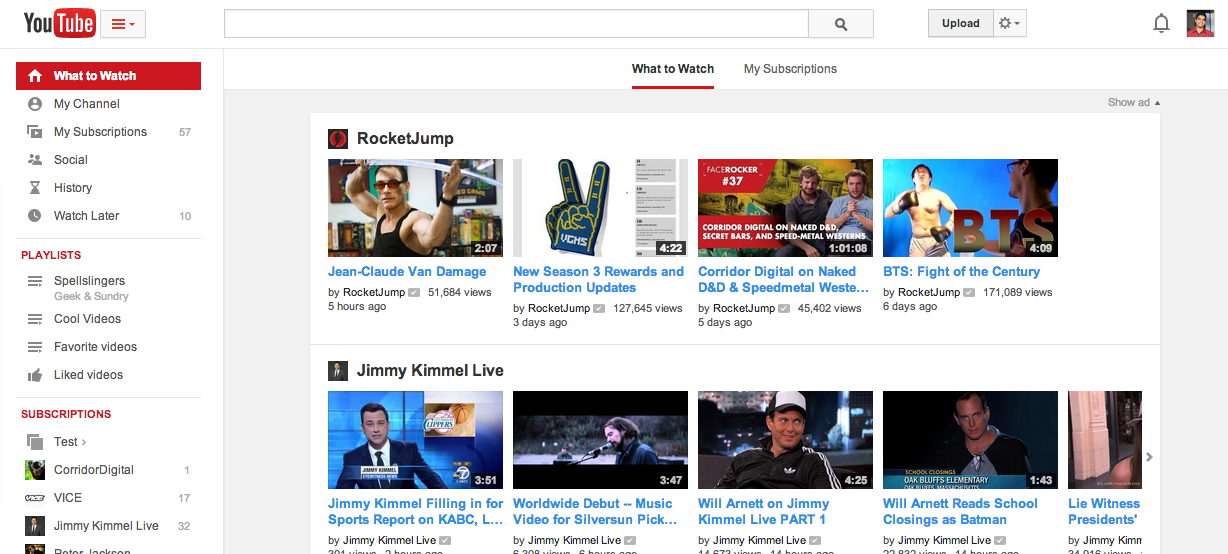
Lastly, in an effort to bring its Web app more in line with its mobile apps, YouTube has adjusted the design of its interface. It now features a center-aligned look, exactly what was seen back in January. The site now offers a much cleaner interface with more of a focus on the videos. Two links at the top of the screen allow users to navigate between recommended videos and their subscriptions. In the new homepage redesign, you can also click on the guide icon that's located to the right of the YouTube logo to view your playlists and subscriptions, along with other options.
Earlier this year, Tech2Notify discovered that YouTube was testing a new look and feel on the service. A spokesperson at the time confirmed the report, calling it an experiment designed to "help people more easily find, watch and share the videos that matter most to them." Based on the feedback that it received, YouTube is ready to roll this out to its global community, though it could take a few hours or days to get to you. Photo credit: ERIC PIERMONT/AFP/Getty Images This posting includes an audio/video/photo media file: Download Now |
| 5 common mistakes to avoid in mobile commerce Posted: 20 Feb 2014 01:25 PM PST  Matt Winn is Volusion's Marketing Communications Manager, where he helps oversee the organization's branding and communications efforts. Our current culture is riddled with mobile junkies addicted to their tablets and smartphones. While this newfound obsession has had quite the negative impact on dinner conversation, it does present a great opportunity for retailers to take advantage of this mobile fixation by providing a high-impact, enjoyable mobile commerce experience. The problem? Far too many retailers make critical errors when it comes to mobile commerce. Here are the top five issues you will want to avoid. 1. Overcomplicating your mobile homepageThe majority of your mobile traffic lands directly on your homepage, so you should direct visitors where you want them to go: deeper into your website. Keep in mind that shoppers are interacting with your site via a much smaller screen, so having complex carousels or dramatic slideshows on your homepage can be highly distracting. From a more tactical standpoint, the majority of shoppers use smartphones to browse and research products, so provide immediate access to your product categories. Even more, overcomplicating your homepage can and will cause slow load times, which not only ranks as the number one user complaint for mobile sites, but also negatively impacts organic search results. 2. Convoluted checkout experienceRemember the last time you entered your name, billing information, shipping information and credit card number on a 4-inch screen? The same cumbersome experience holds true for your mobile customers. That's why, from a user experience standpoint, you should work to keep the amount of information required for checkout to a minimum. With 66 percent of mobile shoppers failing to complete a transaction due to obstacles presented during checkout, removing barriers from the checkout process is a key function to increasing mobile conversions. To do so, only require the most basic information, and even more, allow repeat customers (both from mobile and desktop) to log in and use saved payment information. This simple step will make the checkout experience much more seamless and efficient. 3. Predominantly highlighting QR codesWhile QR (quick response) codes may seem like an innovative mobile marketing tool, consider it officially old school. Long story short, QR codes ask a lot from users, including the following steps: recognize QR code, pull out mobile phone, launch QR scanner app (assuming they already have one downloaded), perfectly align mobile camera to QR code, snap picture, submit QR code, wait for response, then arrive on desired website. Seems like quite the chore in this day of mobile apps and readily available mobile websites. Unless you have experienced success with QR codes in your mobile marketing campaigns, shy away from them. Not only are they difficult to use, consumers don't believe that scanning QR codes are worth their time, which can lead to negative associations with your brand. 4. Not embracing mobile-friendly, responsive email marketingAs of January 2014, 51 percent of email is opened on a mobile device. This means that if your email campaigns aren't optimized for mobile, you're making a huge mistake. To get started, take a look at your email statistics over the past year to see trends in open rates from mobile devices. Even more, study your mobile click-through rates – if there's a big gap in this metric between desktop and mobile, it's time to make a change. Fortunately, there are several email solutions that are easy to use and fully optimized for mobile. When looking at your options, search for technology that has built-in responsive design so all email content is guaranteed to render perfectly, regardless of device or screen size. Speaking of content, keep your messages clear and concise, and avoid long bits of copy or overly complicated graphics. Once you put these design and technology pieces in place, start benchmarking your email metrics to track progress and identify additional opportunities for optimization. After all, email marketing is one of the most powerful tools in your arsenal, so don't ignore it. 5. "Unable to play/download on your device"This one may seem like a no brainer, but it's easily one of the most common mobile commerce mistakes: make sure that all content on your site, particularly documents and video, can be downloaded or played on a mobile device. One far too common example of this comes from mobile sites using Flash, which presents a compatibility issue with Apple's iOS, meaning that iPhone and iPad users can't interact with this content. This same story is true for PDF files on your mobile site – Apple and Adobe don't play nice together, so many Apple users will be unable to download or review these documents. Just as important, Google has directly stated that having inaccessible content is a top mistake for mobile sites – and if Google says it's a mistake, you'd better listen. Love or hate our mobile-crazed culture, you can't deny the opportunity that this technology has to offer. To recap: keep your mobile site simple and uncluttered, focus on usability, and directly pursue the benefits of mobile marketing. Once you embrace these pieces of advice, the mobile landscape will become your proverbial oyster. This posting includes an audio/video/photo media file: Download Now |








| You are subscribed to email updates from The Next Web To stop receiving these emails, you may unsubscribe now. | Email delivery powered by Google |
| Google Inc., 20 West Kinzie, Chicago IL USA 60610 | |


